Cintoríny z 1. svetovej vojny
Na území východného Slovenska sa nachádza vyše 230 vojnových cintorínov. V máji 1915 nariadilo rakúsko-uhorské velenie vybudovať spoločné cintoríny padlým vojakom počas bojov v Karpatoch.
Tzv. Kriegs-Gräber komandá budovali cintoríny na poľskej strane Karpát a v Haliči pod rakúskym velením a na slovenskej strane Karpát pod maďarským velením.
Cemeteries of World War I
There are more than 230 war cemeteries in the territory of eastern Slovakia. In May 1915, the Austro-Hungarian command ordered
the construction of joint cemeteries for fallen soldiers during
the battles in the Carpathians. The so-called Kriegs-Gräber commandos built cemeteries on the Polish side of the Carpathians and in Galicia under Austrian command and on the Slovak side
of the Carpathians under Hungarian command.
Cintoríny v Poľsku sú architektonicky cennými
pamiatkami, na čom má výraznú zásluhu slovenský architekt Dušan Jurkovič.
Cemeteries in Poland are architecturally valuable monuments for which the Slovak architect Dušan Jurkovič has significant merits.
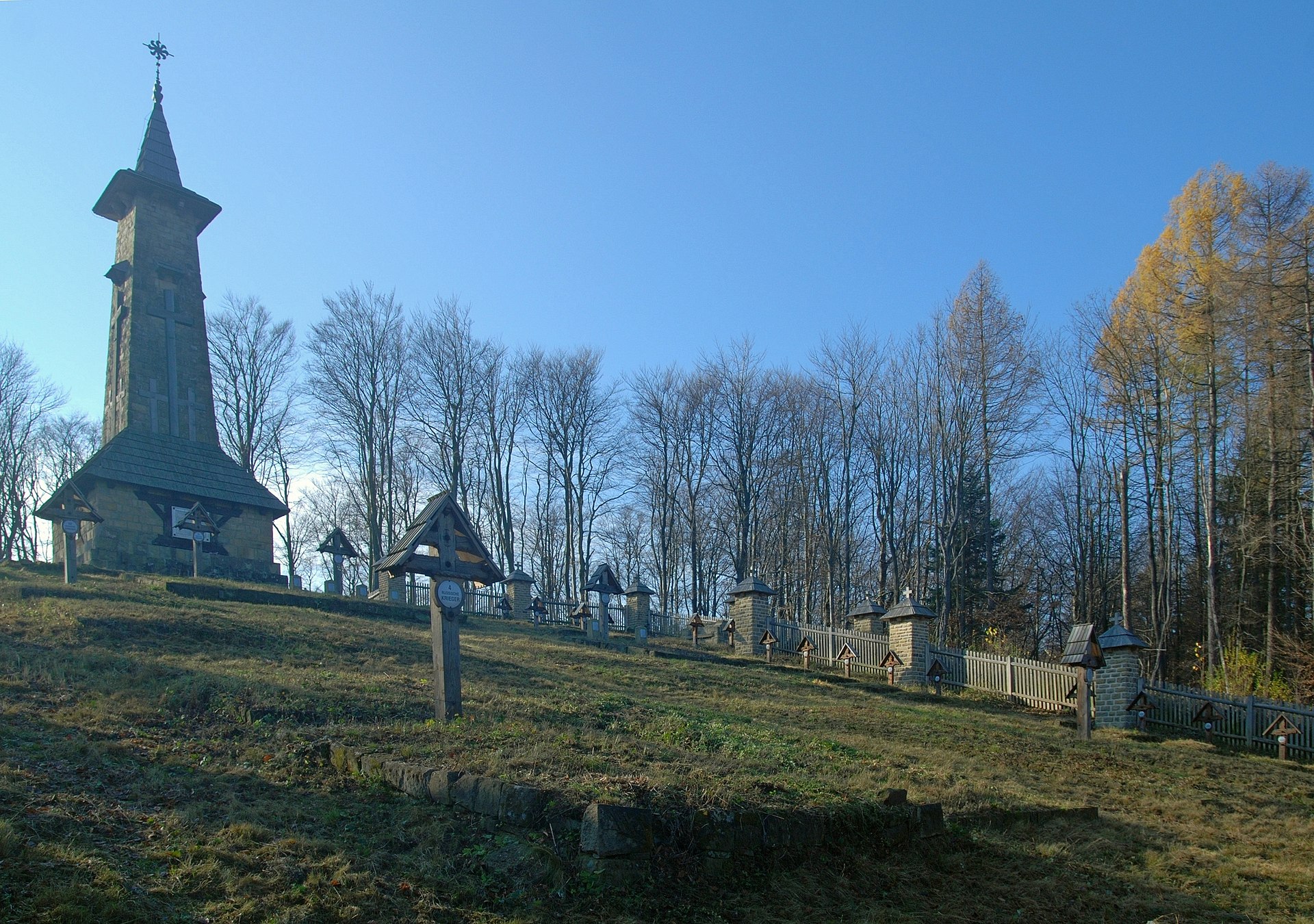
Cintorín z 1. svetovej vojny pri obci Konieczna (Poľsko)
projektovaný architektom Jurkovičom
World War I cemetery near the village of Konieczna (Poland)
designed by architect Jurkovič
Maďari pristúpili k budovaniu cintorínov laxnejšie.
Cintoríny na Slovensku boli jednoduchšie a častokrát
bez pomníka, ohraničené boli jednoduchou kolovou konštrukciou s ostnatým drôtom a kríže sa spočiatku
vyrábali z brezového dreva.
The Hungarians approached the construction of cemeteries more laxly. Cemeteries in Slovakia were simpler and often without a monument, they were bordered by a simple circular structure with barbed wire, and crosses were initially made of birch wood.
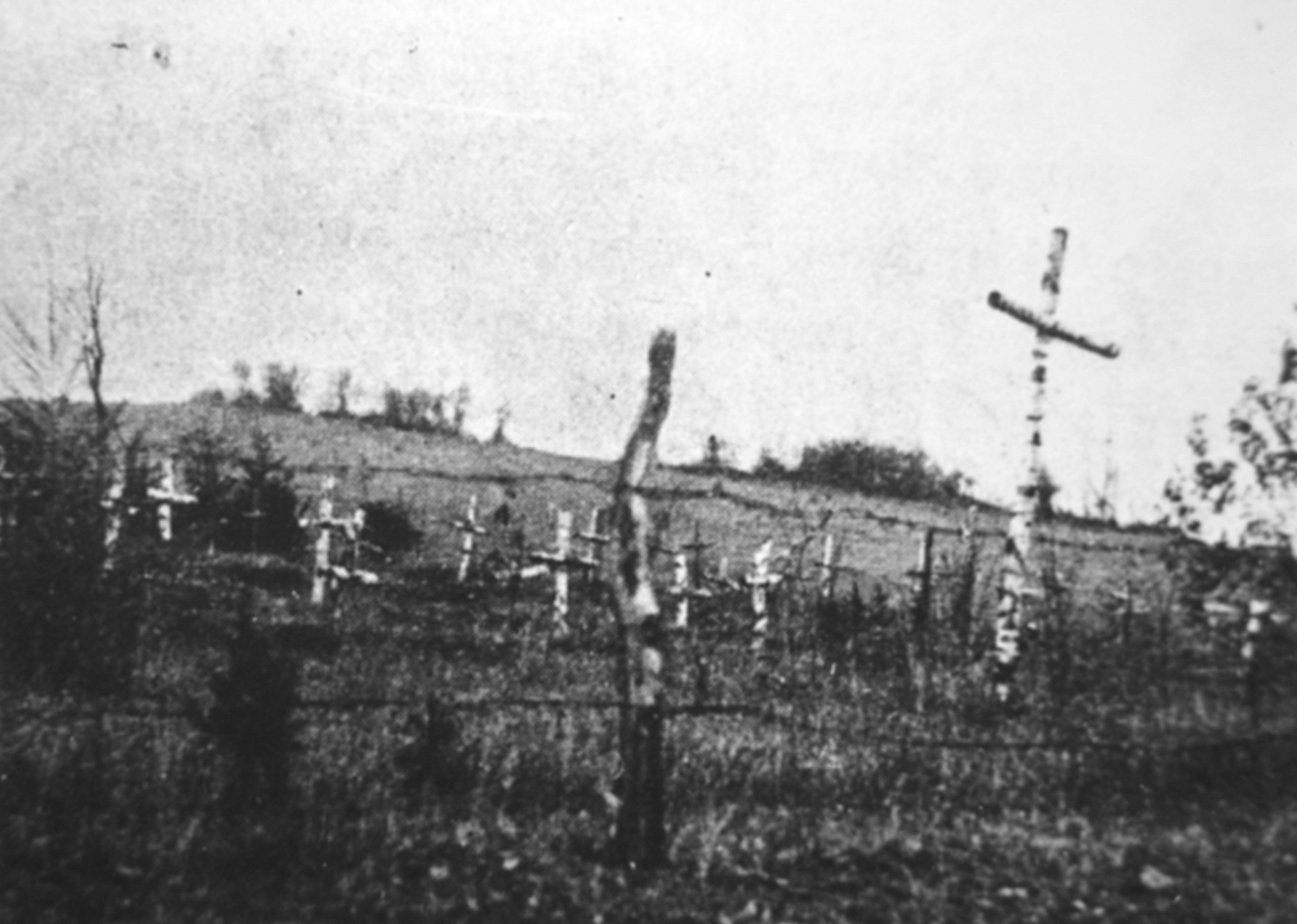
Cintorín padlých vojakov v 1. svetovej vojne v okolí Bardejova
Cemetery of fallen soldiers in the 1st World War in the vicinity of Bardejov
Dole: Pozostatky padlého českého vojaka z 1. stotiny 28. pešieho pluku
nájdené v roku 1918 pri Stebníckej Hute (okres Bardejov)
Below: The remains of a fallen Czech soldier from the 1st hundredth of the 28th infantry regiment found in 1918 near Stebnícka Huta (Bardejov district)
K zveľadeniu cintorínov na slovenskom území prispelo v 20. rokoch 20. storočia novovzniknuté Československo. Po skončení druhej svetovej vojny sa na cintoríny z prvej svetovej vojny postupne zabúdalo a chátrali. Na cintorínoch sú pochované obete priamych bojov, ale aj väzenských táborov a zosnulí z poľných nemocníc (zomreli na následky poranení, choroby a pod.).
In the 1920s, the 20th century the newly established Czechoslovakia contributed to improvement of cemeteries on the Slovak territory. After the end of the World War II, the cemeteries from the World War I were gradually forgotten and fell into disrepair. Victims of direct battles and also of prison camps and deceased from field hospitals (died as a result of injuries, illness, etc.) are buried in the cemeteries.
Najväčší počet vojenských cintorínov z karpatských bojov 1914 – 1915 sa nachádza v okrese Medzilaborce, najznámejším je cintorín pri kláštore v Krásnom Brode. Cintoríny môžeme nájsť aj v okresoch Bardejov, Svidník, Stropkov, Snina a Humenné. Lazaretné a väzenské cintoríny sa nachádzajú vo Vranove nad Topľou, Košiciach a Prešove.
The largest number of military cemeteries from the Carpathian wars of 1914-1915 is located in the district of Medzilaborce, the most famous cemetery is near the monastery in Krásny Brod. Cemeteries can also be found in the districts of Bardejov, Svidník, Stropkov, Snina and Humenné. Hospital and prison cemeteries are located in Vranov nad Topľou, Košice and Prešov.
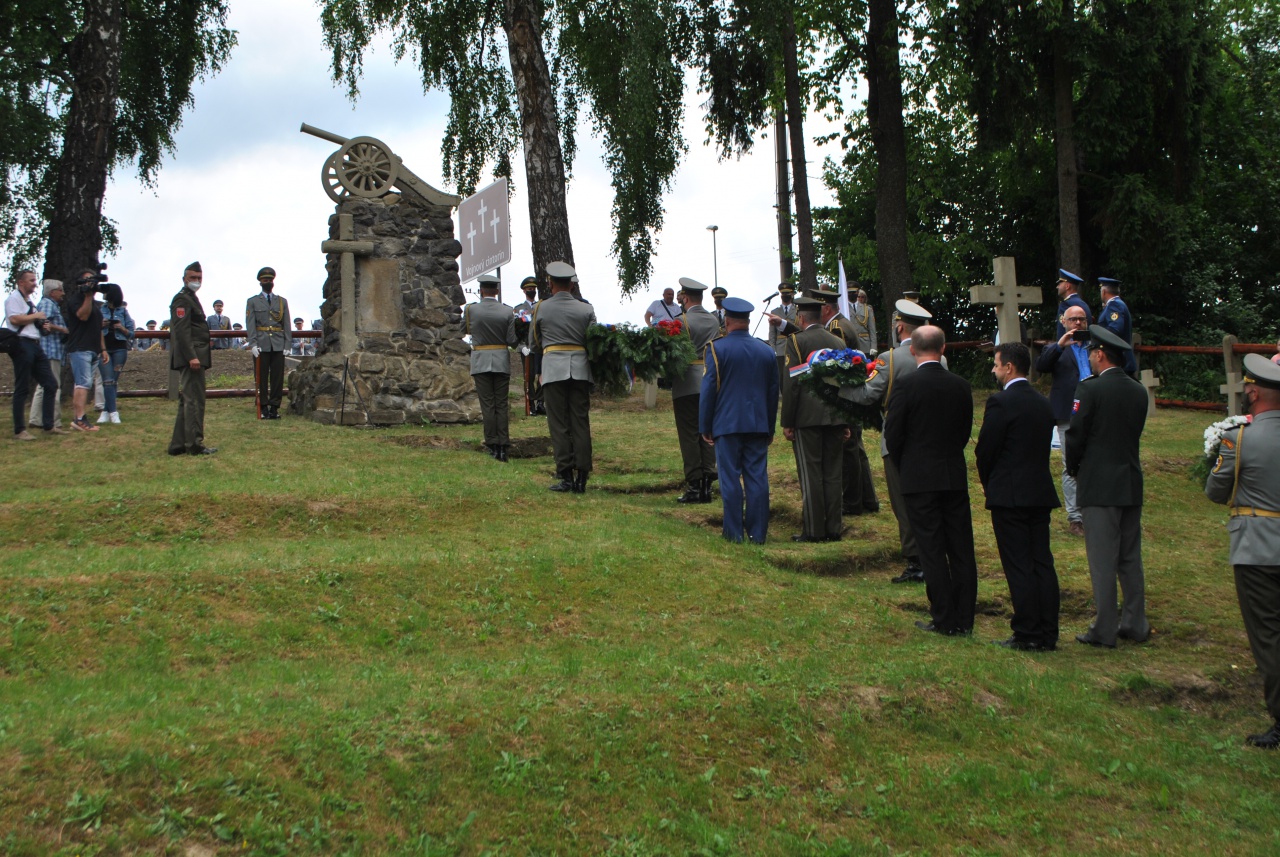
Posviacka cintorína z 1. svetovej vojny v Medzilaborciach v roku 2021
Consecration of the WWI cemetery in Medzilaborce in 2021
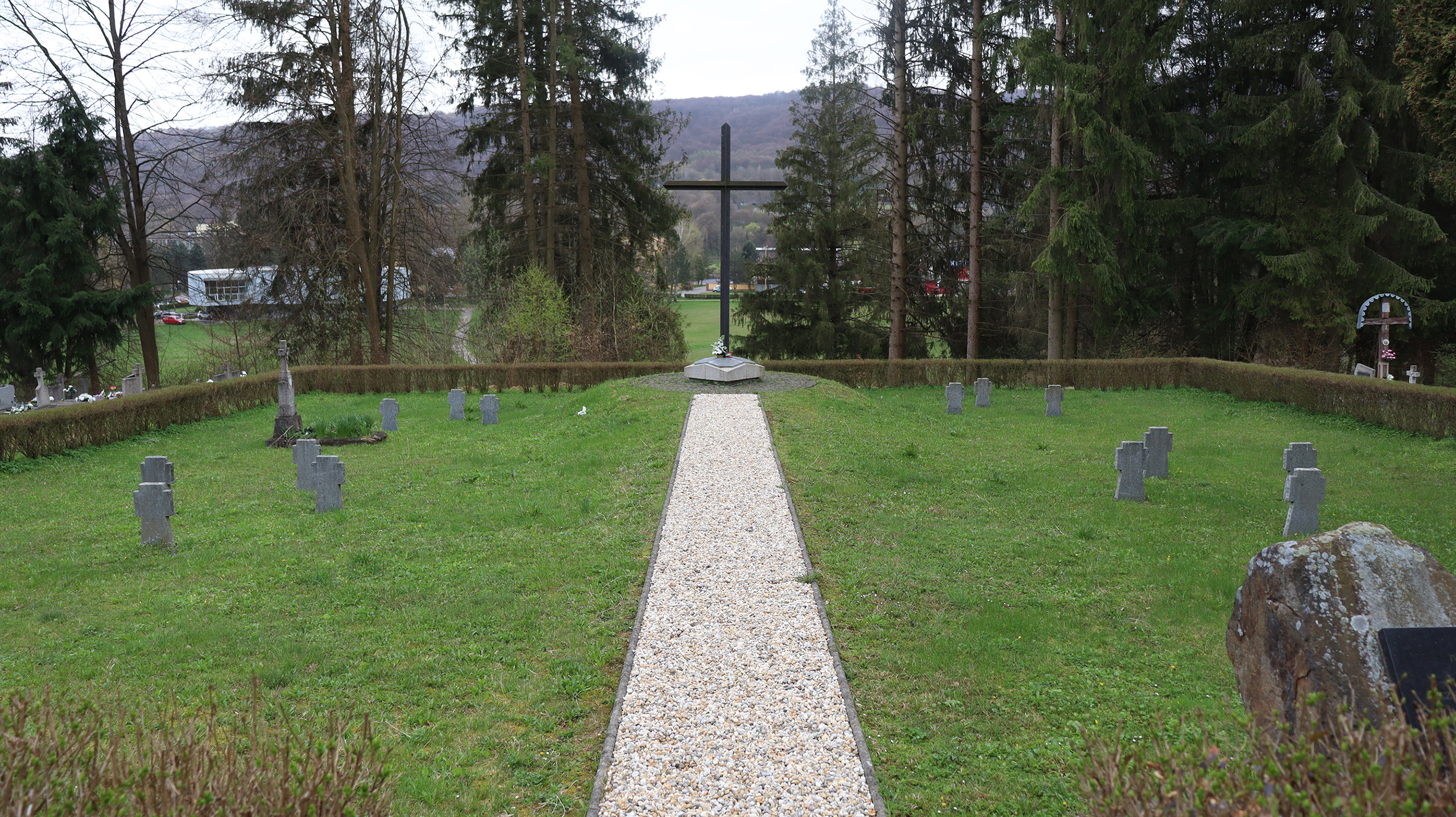
Cintorín z 1. svetovej vojny vo Svidníku (niekdajšia obec Vyšný Svidník) v blízkosti Pamätníka Sovietskej armády s cintorínom
World War I cemetery in Svidník (former village of Vyšný Svidník) near the Soviet Army Memorial with a cemetery
V okrese Svidník je jedným z najväčších cintorín
v Mlynárovciach, pri Stropkove sú známe cintoríny v Chotči
a vo Veľkrope.
In the district of Svidník, one of the largest cemeteries
is in Mlynárovce, near tropkov; there are well-known cemeteries in Chotča and Veľkrop.
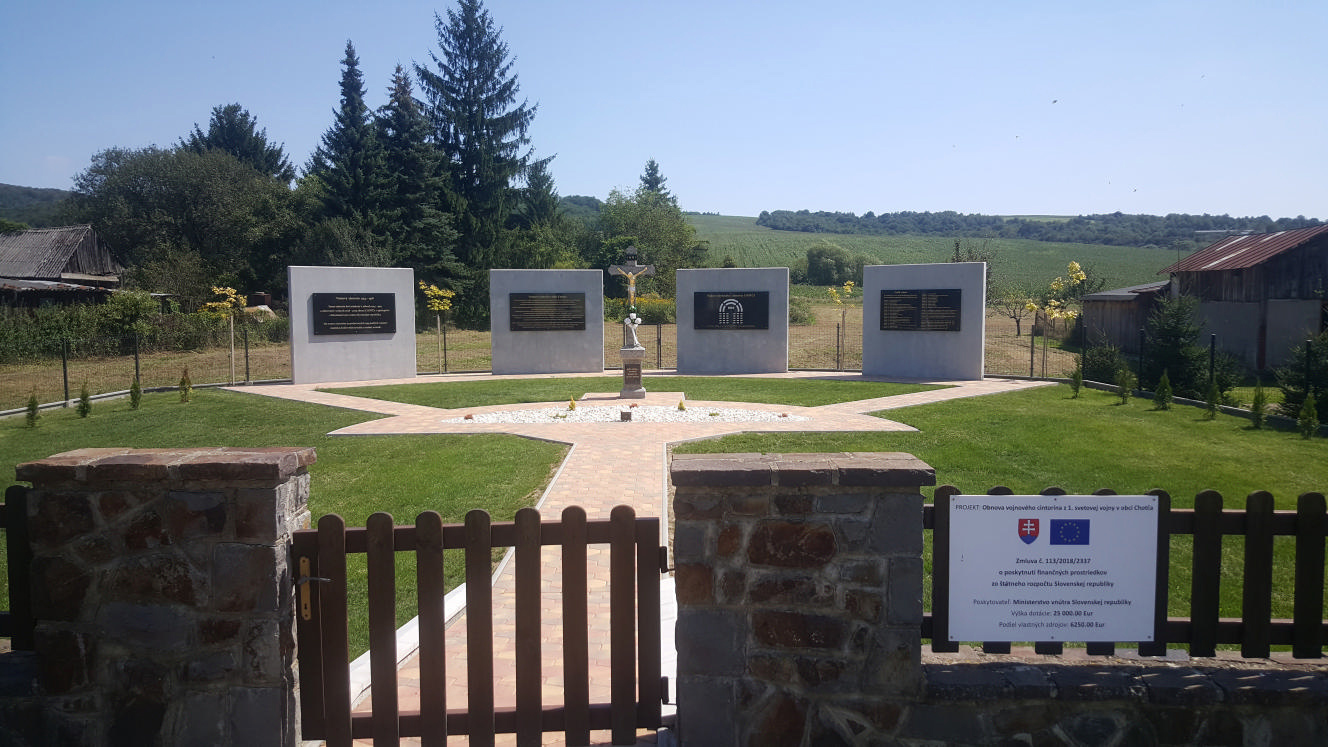
Obnovený cintorín v Obci Chotča (okres Stropkov)
Restored cemetery in the village of Chotča (Stropkov district)
Za zmienku stojí cintorín v Stakčíne, okres Snina, ktorý bol ako jediný pred rokom 1989 zapísaný do zoznamu kultúrnych pamiatok Československa. Po roku 1989 cintorín
v Stakčíne chátral až kým bol opravený v roku 2010 samotnou obcou a KVH Beskydy.
Worth mentioning is the cemetery in Stakčín, Snina district which was the only one before 1989 to be included in the list of cultural monuments of Czechoslovakia. After 1989, the cemetery in Stakčín was falling into disrepair until it was repaired in 2010 by the municipality itself and KVH Beskydy.
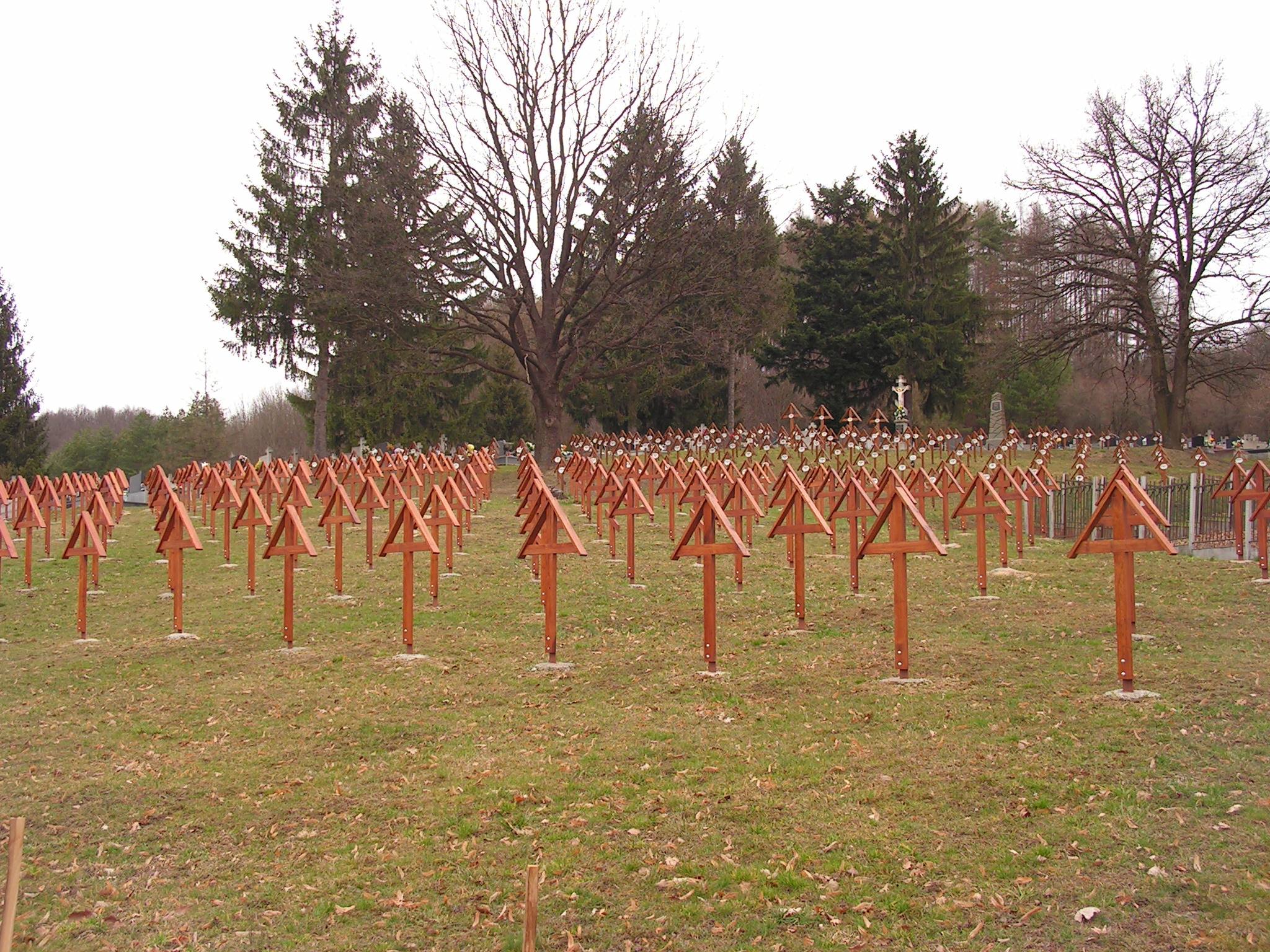
Vojnový cintorín z 1. svetovej vojny v Stakčíne (okres Snina)
War cemetery from the First World War in Stakčín (Snina district)
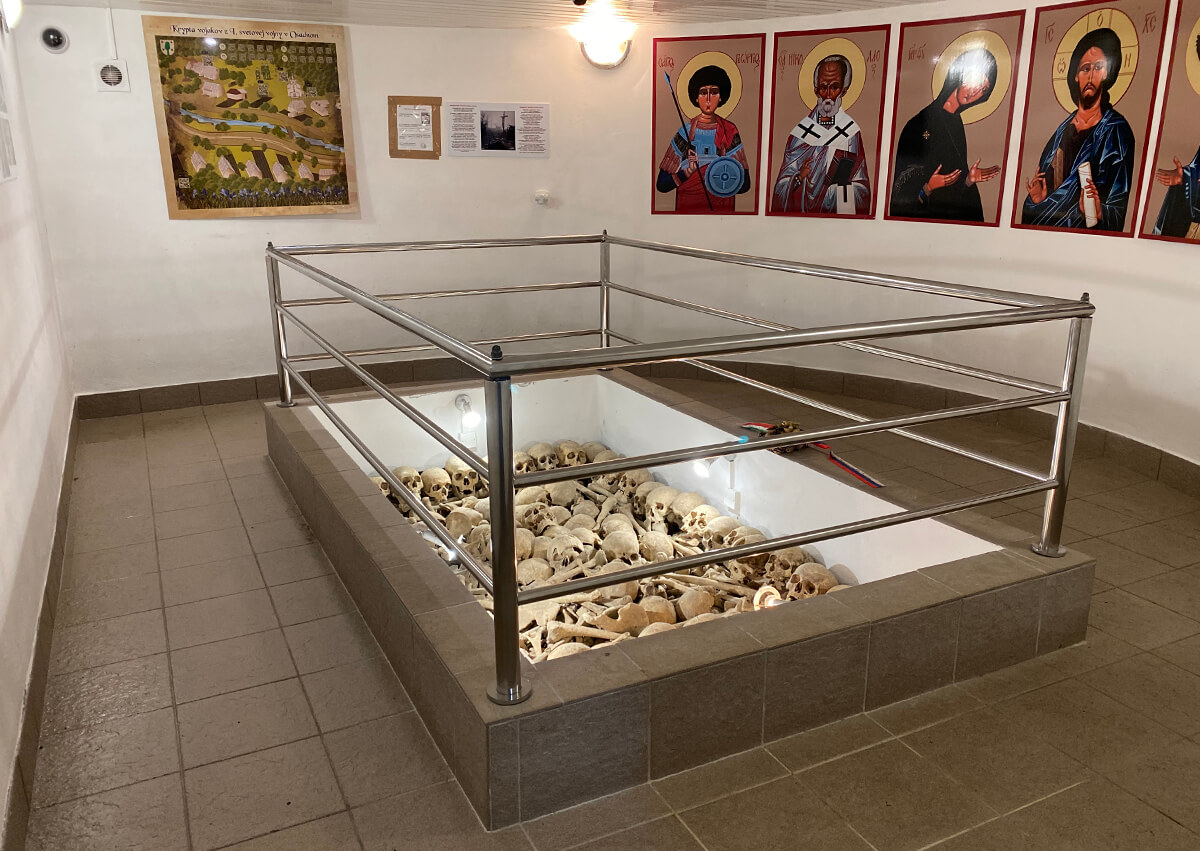
V okrese Snina stojí za zmienku zrekonštruovaná krypta
v podzemných priestoroch pravoslávnej cerkvi v Osadnom. Krypta bola vybudovaná v rokoch 1929 – 1930.
Exhumácia a presun ostatkov do krypty sa uskutočnil
v rokoch 1933 – 1934 z cintorínov okolia obce Osadné
a zo zrušených cintorínov v obciach Nižná a Vyšná Jablonka.
In the Snina district, the reconstructed crypt in the underground premises of the Orthodox church in Osadné
is worth mentioning. The crypt was built in the years 1929 – 1930. The exhumation and transfer of the remains to the crypt took place in the years 1933 – 1934 from cemeteries around the village of Osadné and from closed cemeteries in the villages of Nižná and Vyšná Jablonka.