Význam Karpatsko-duklianskej operácie
Pri celkovom hodnotení významu Karpatsko-duklianskej operácie je v prvom rade potrebné uviesť, že jej pôvodný zámer spočívajúci v rýchlom preniknutí sovietskych a československých vojsk cez Karpaty na územie Slovenska a v ich následnom spojení sa s povstaleckými silami nebol dosiahnutý.
Importance of the Carpatho-Dukla Operation
In the overall assessment of the importance of the Carpatho-Dukla operation, it is first of all necessary to state that its original intention, consisting in the rapid penetration of Soviet and Czechoslovak troops through the Carpathians into the territory of Slovakia and their subsequent connection with the rebel forces, was not achieved.
Priebeh celej operácie významne ovplyvnil horský terén, ktorý poskytoval značné výhody brániacim sa nemeckým vojskám. Ich velenie totiž dokázalo jeho zvláštnosti naplno využiť vo svoj prospech formou vedenia ohniskovej obrany dominujúcich výšin a oporných bodov nachádzajúcich sa v celom pásme útoku sovietskych a československých vojsk. Ich možnosti na rýchly postup okrem toho znižovali aj málopočetné a nekvalitné komunikácie ťažko schodné pre bojovú techniku, pričom nepriaznivé poveternostné podmienky zase obmedzovali rozsah možnej leteckej podpory.
The course of the entire operation was significantly affected by the mountainous terrain, which provided significant advantages to the defending German troops. Their command was able to fully use its peculiarities to their advantage in the form of leading a focal defense of the dominating hills and support points on walking in the entire attack zone of the Soviet and Czechoslovak troops. In addition, their possibilities for rapid progress were also reduced by the few and poor-quality communications difficult for combat equipment, while unfavorable weather conditions in turn limited the scope of possible air support.
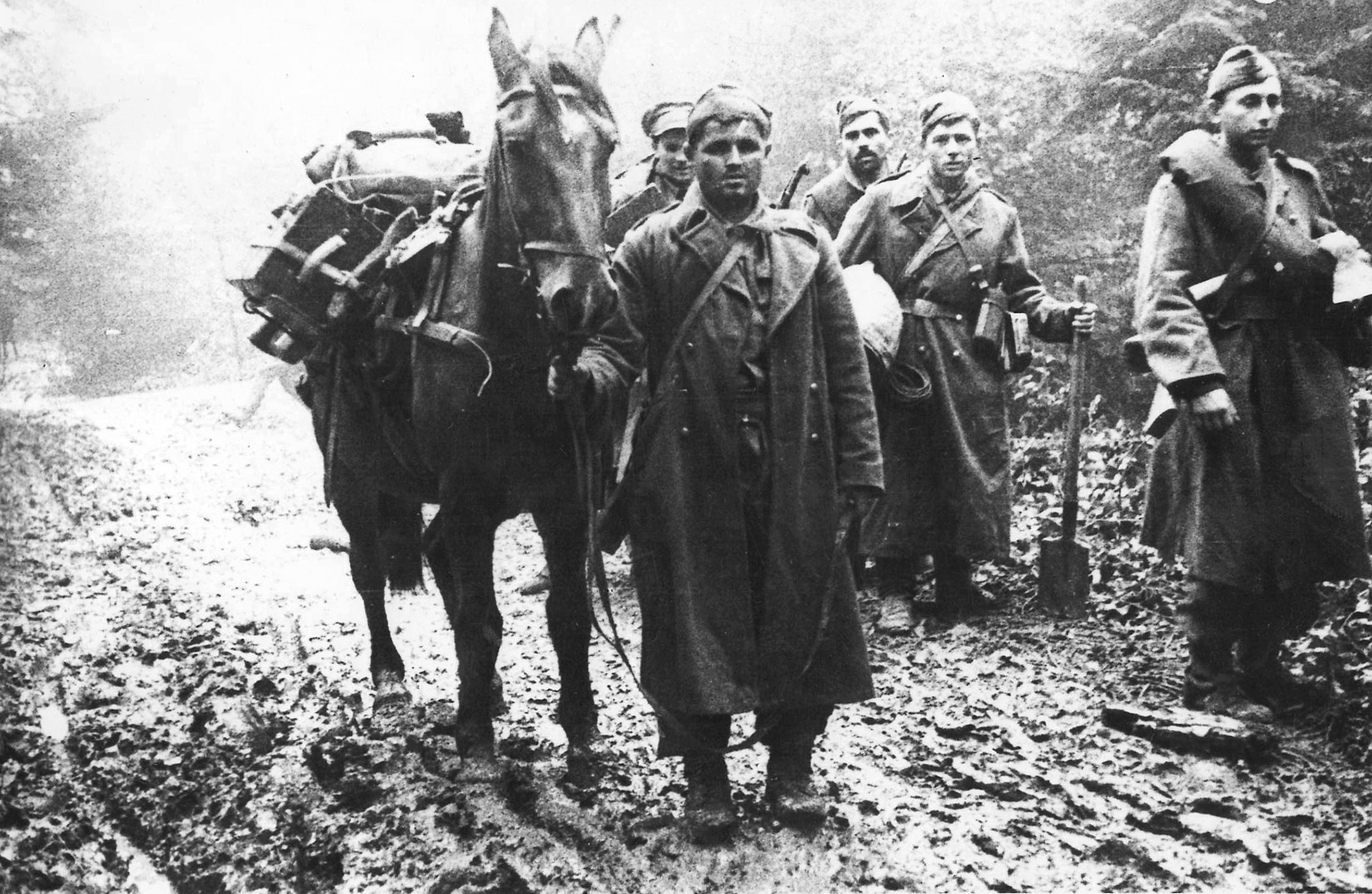
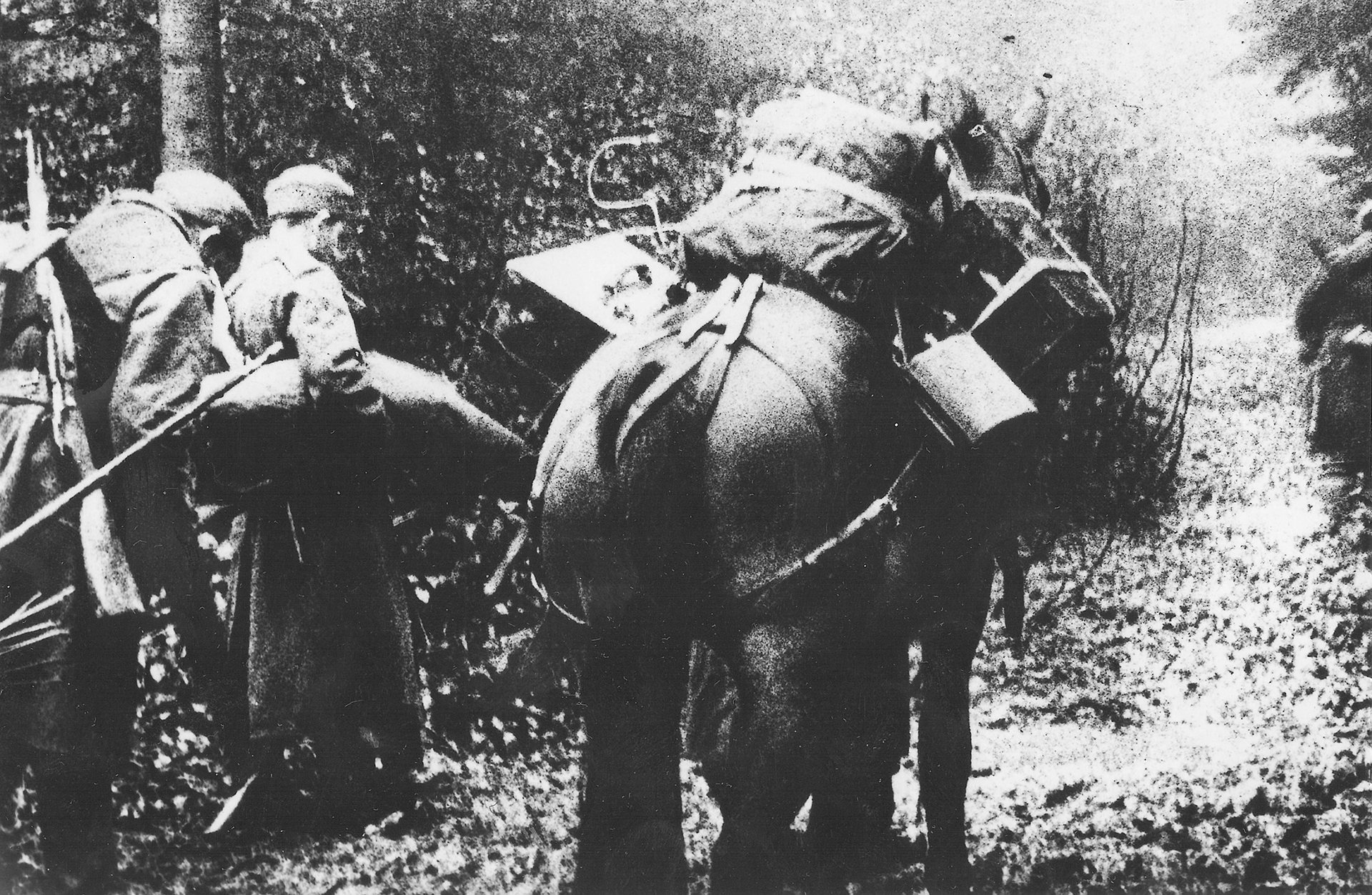
Doprava munície do prednej línie počas bojov na Dukle.
Transportation of ammunition to the front line during the battles at Dukla.

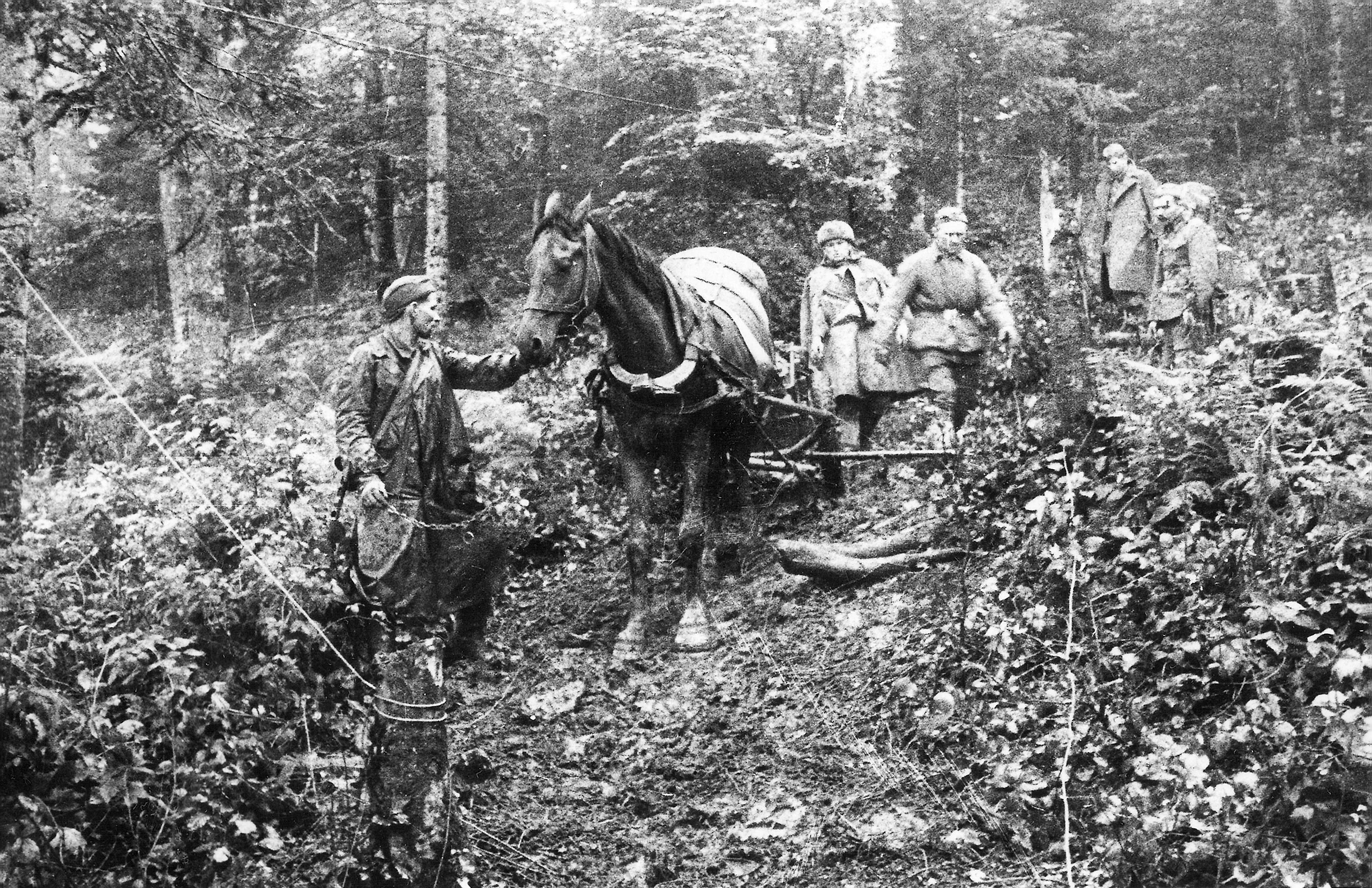
Doprava stravy do prednej línie počas bojov na Dukle.
Delivery of food to the front line during the battles at Dukla.
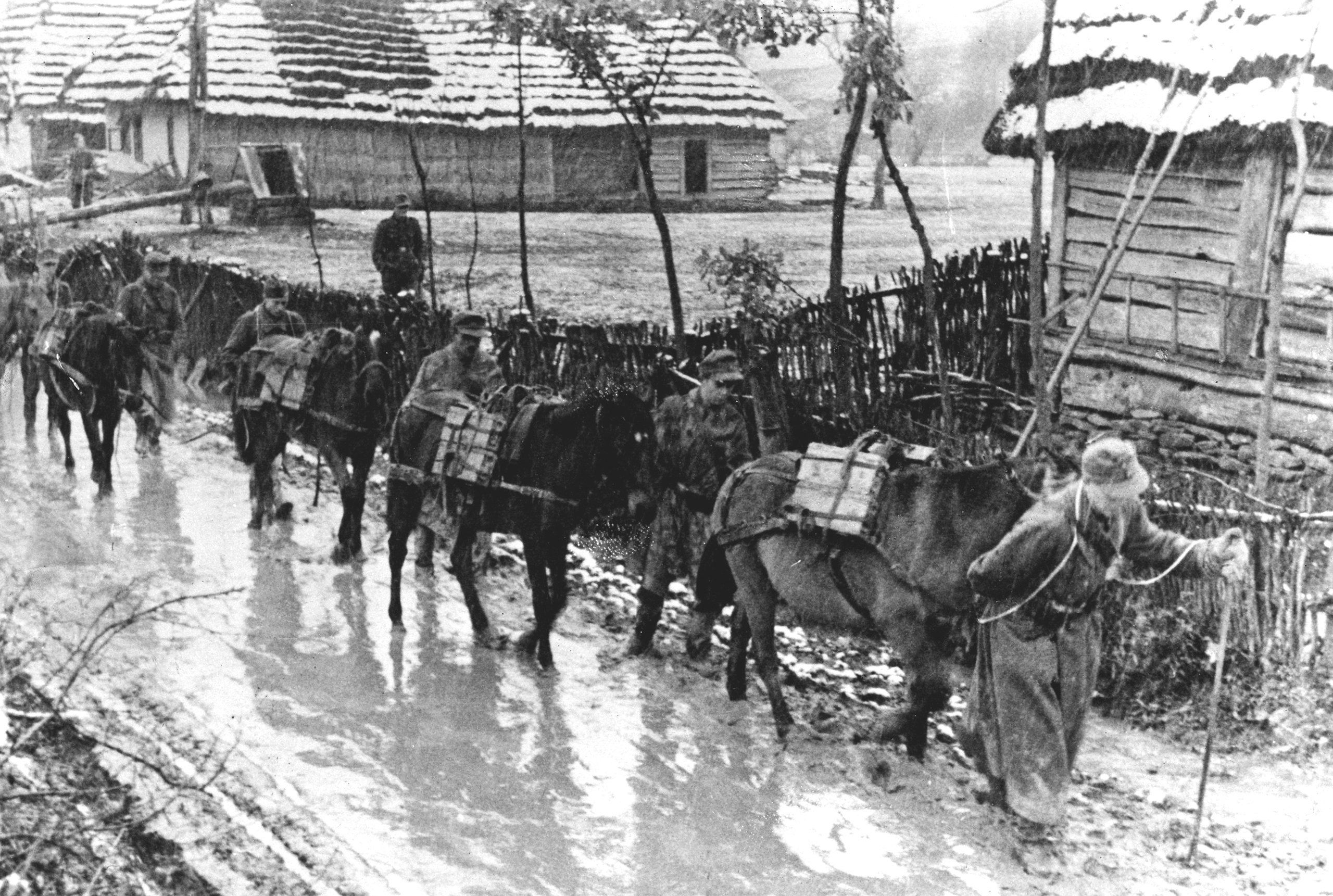
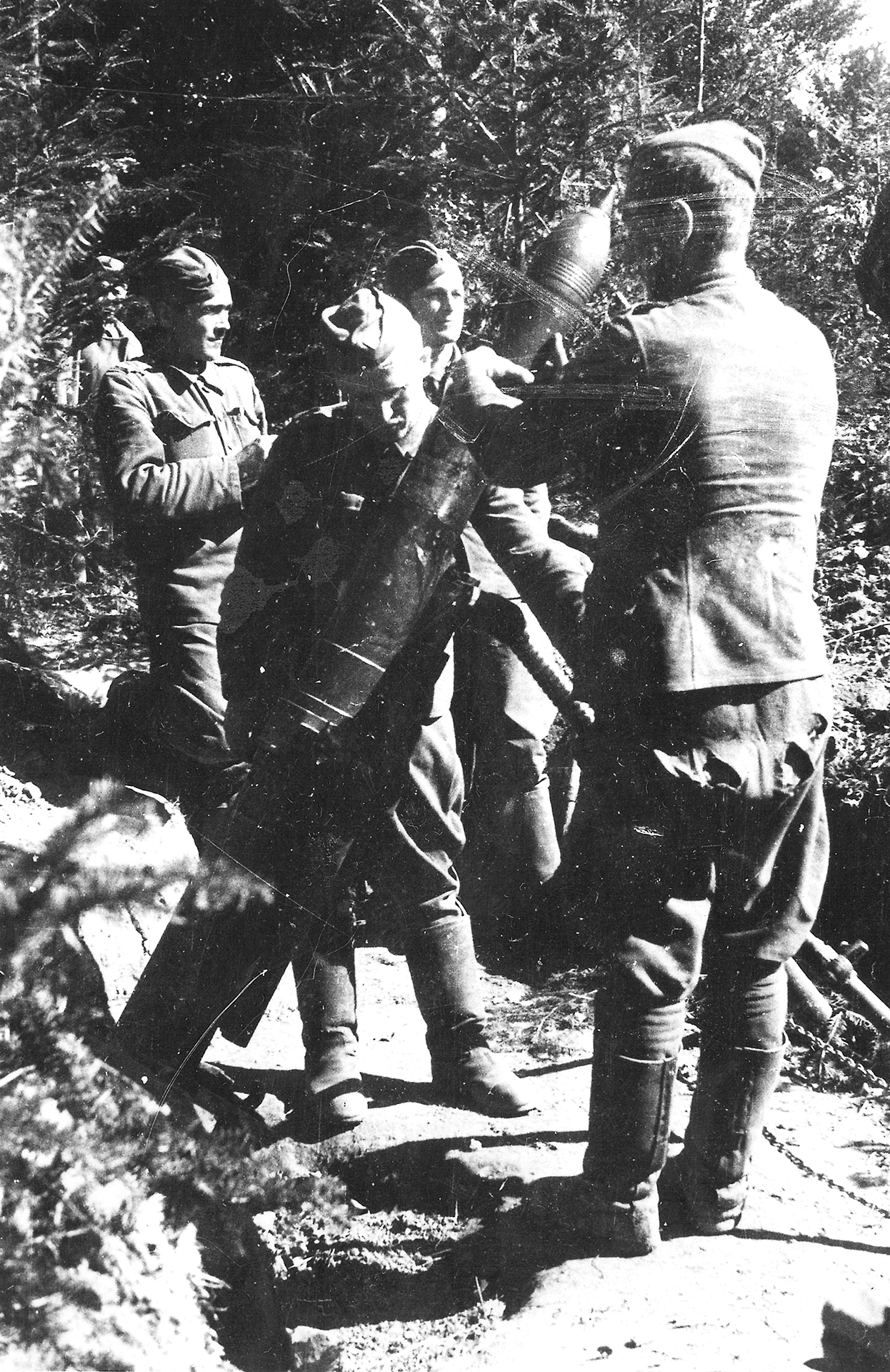
Nemeckí vojaci pri preprave munície v priestore Duklianskeho priesmyku.
German soldiers transporting ammunition in the area of the Dukla Pass.
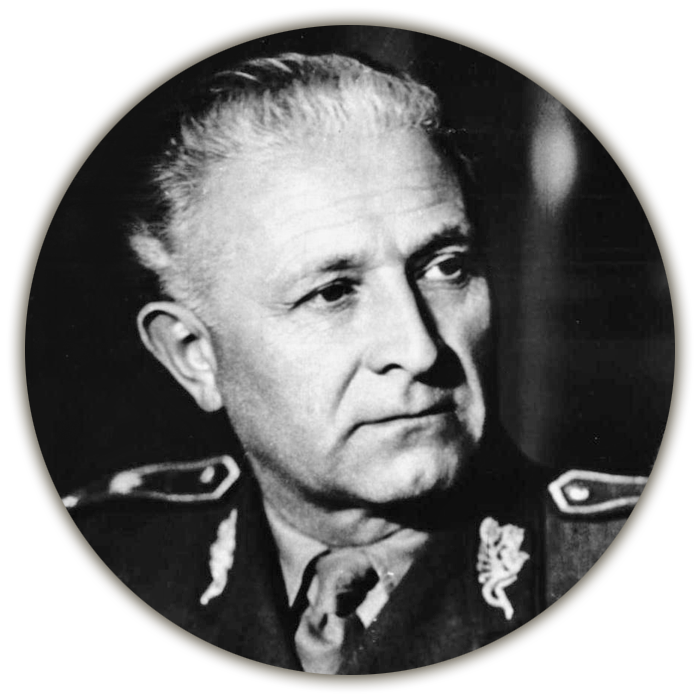
„Nie je vo vojne snáď nič ťažšie, ako dobýjať práve hory, vyháňať z nich tých, ktorí si zaumienili ich vrchy premeniť na nedobytnú pevnosť, v opevnené body, na ktorých si má útočník – obrazne povedané – vylámať zuby. V tomto mi dá za pravdu každý, kto karpatským jesenným ťažením v predposlednom vojnovom roku prešiel a prežil... Vôľa a túžba zvíťaziť hnali nás vpred. Sotva sme však prekročili jeden vrch, bol na dohľad ďalší. A za ním sa vľavo i vpravo týčili ďalšie. Bolo ich veľa. A o všetky sa zvádzali zúrivé boje. Na jednu z kót nezabudnem nadosmrti. Bola to kóta 534.“
Ludvík Svoboda, Z Buzuluku do Prahy, 1967.
“There is probably nothing more difficult in war than conquering mountains, run out of those who intend to turn their mountains into an impregnable fortress, into fortified points on which the attacker - figuratively speaking - has to break his teeth. Everyone who went through and survived the Carpathian autumn campaign in the penultimate year of the war will agree with me on this... The will and desire to win drove us forward. However, as soon as we crossed one hill, another was in sight. And behind him, others were rising to the left and right. There were many of them. And fierce battles were fought for all of them. I will never forget one of the hills. It was hill 534.”
Ludvík Svoboda, From Buzuluk to Prague, 1967.
„Jesenné dažde v Karpatoch. Vykopeš zákop, za chvíľu ti v ňom pod nohami cvrká voda. Vybuduješ si úkryt, znovu ti v ňom cvrká voda. Riedke blato preteká z povaly. Máš ho všade, v topánkach, vo vlasoch, v ušiach i za košeľou. K tomu všetkému ešte zima, niekedy sneh a mráz. Ešteže ťa zohrejú vši...“
Z výpovede príslušníka 1. československého armádneho zboru v ZSSR, jeseň 1944.
“Autumn rains in the Carpathians. You dig a trench and in a moment water is sizzling under your feet. You build a shelter, water sizzles in it again. Thin mud flows from the attic. You have it everywhere, in your shoes, in your hair, in your ears and behind your shirt. In addition to all this, there is also cold, sometimes snow and frost. At least, the lice will warm you up...”
From the statement of a member of the 1st Czechoslovak Army Corps in the USSR, autumn 1944.
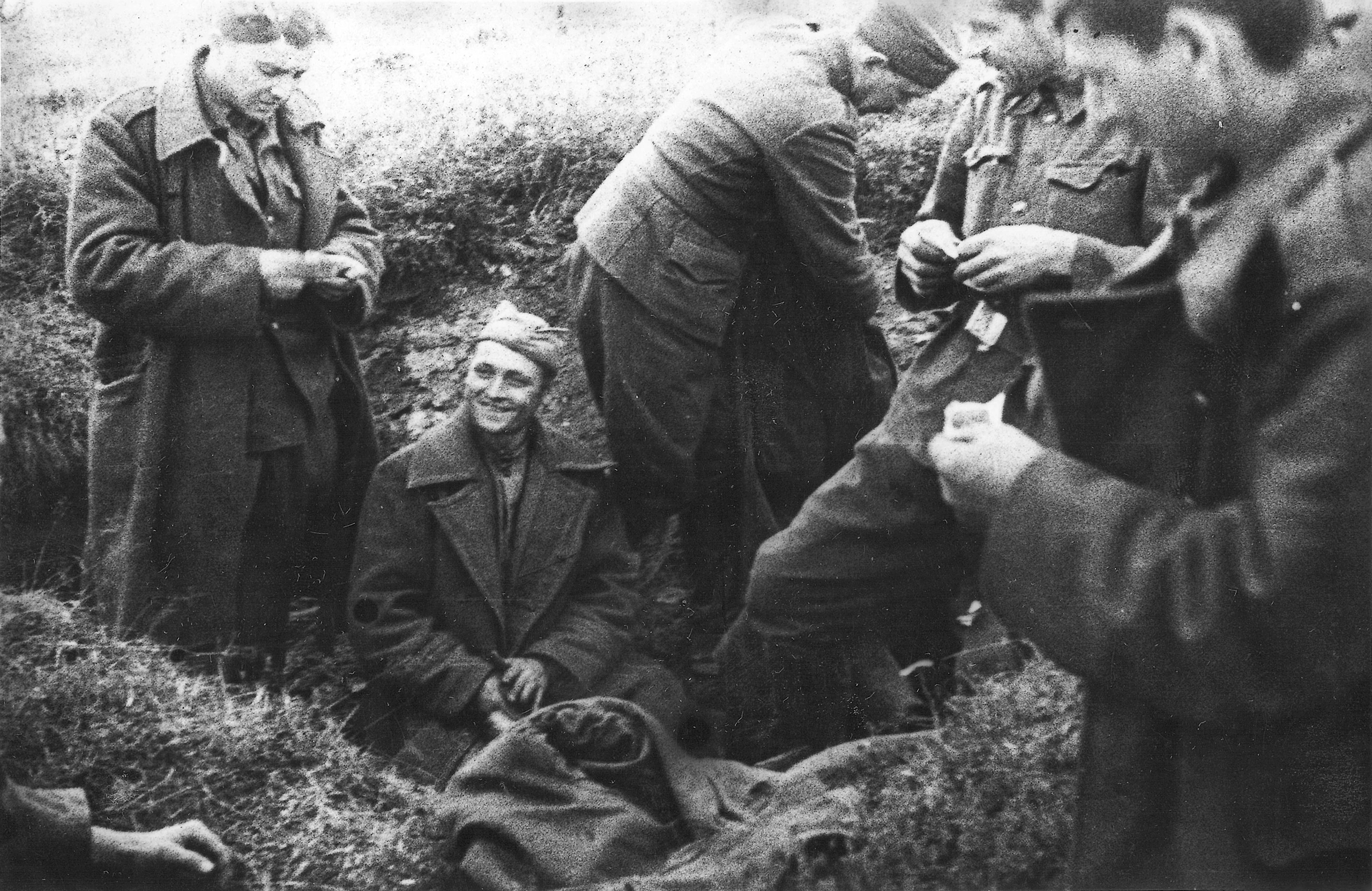
Krátky odpočinok československých vojakov pri kopaní zákopov
Czechoslovak soldiers taking a short rest while digging trenches
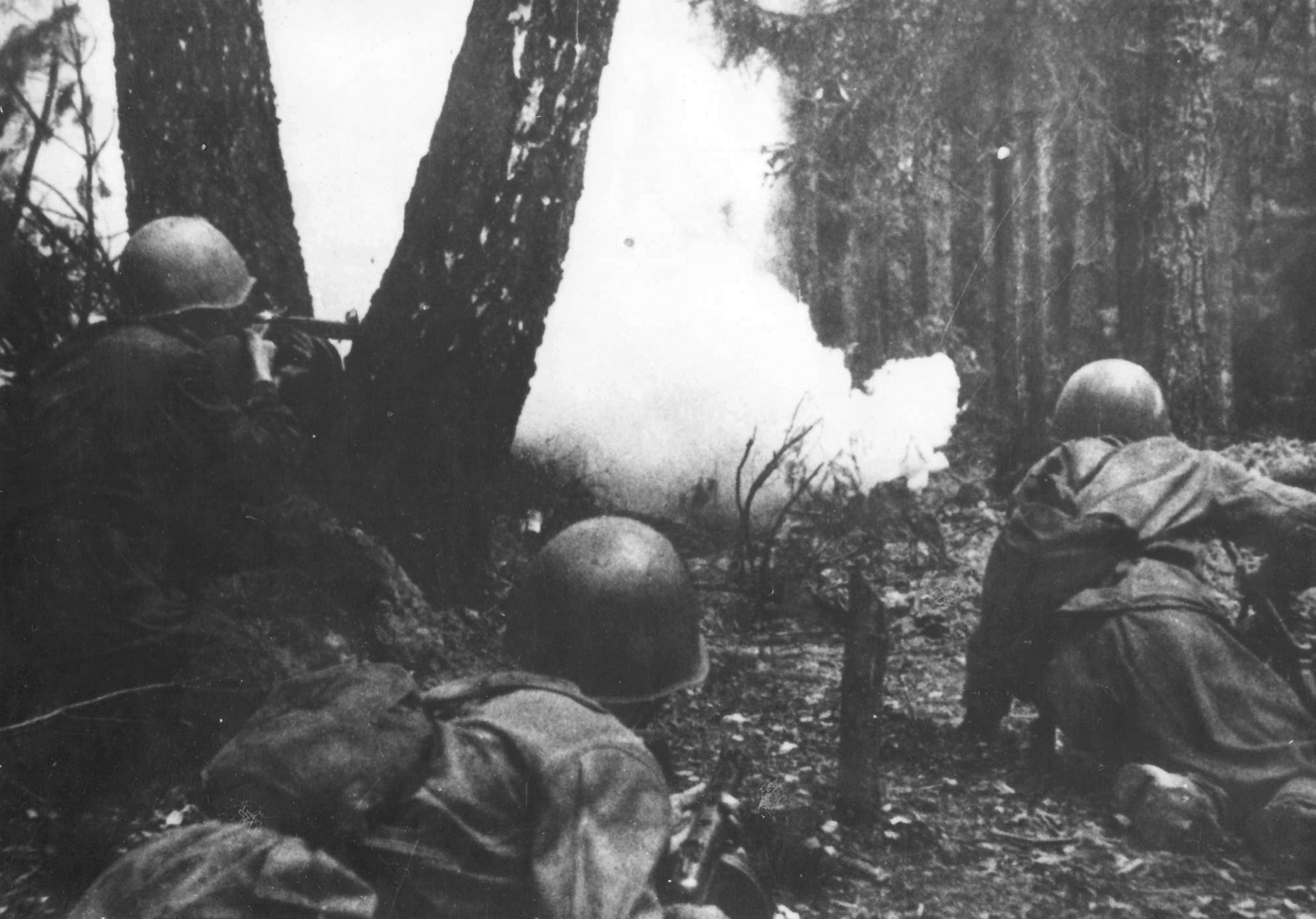
Sovietska pechota počas jednej z mnohých bojových akcií na Dukle.
Soviet infantry during one of the many combat actions at Dukla.
Aj napriek všetkým ťažkostiam a malej nádeji na úspech v podobe naplnenia stanoveného cieľa operácie nebol útok zastavený. Naopak sovietske najvyššie velenie pripisovalo priestoru Karpát čoraz väčší význam. Naplno o tom svedčilo aj vyslanie maršala Georgija Konstantinoviča Žukova do tejto oblasti, kde sa v dňoch 19. až 20. septembra 1944 oboznamoval so situáciou a možnosťami urýchlenia postupu vojsk.
Despite all difficulties and little hope of success in the form of fulfilling the stated goal of the operation, the attack was not stopped. On the contrary, the Soviet high command attached more and more importance to the Carpathians. The dispatch of Marshal Georgi Konstantinovich Zhukov to this area, where he familiarized himself with the situation and the possibilities of speeding up the advance of the troops on September 19-20, 1944, fully testified to this.
V tom čase však už záujem sovietskeho velenia o pokračovanie operácie sprevádzanej množstvom problémov nebol motivovaný iba pomocou SNP. Do popredia sa čoraz viac dostával jej vojensko-taktický aspekt spočívajúci v tom, že boje v Karpatoch viazali čoraz väčšie sily protivníka sťahované z iných dôležitých úsekov sovietsko-nemeckého frontu.
Nemecké velenie totiž z 20 divízií, ktoré malo celkovo nasadené proti 1. ukrajinskému frontu sústredilo do konca septembra 1944 až 12 z nich iba v pásme 38. armády. To pomohlo vytvoriť priaznivé podmienky na prípravu ďalších operácií 1. ukrajinského frontu na severe a 2. ukrajinského frontu na juhu od Východných Karpát.
At that time, however, the Soviet command’s interest in continuing the operation, accompanied by a number of problems, was no longer motivated only by the help of the SNU. Its military-tactical aspect came more and more to the fore, consisting in the fact that the battles in the Carpathians tied up increasingly large enemy forces withdrawn from other important sections of the Soviet-German front.
By the end of September 1944, the German command concentrated only 12 of the 20 divisions deployed against the 1st Ukrainian Front in the zone of the 38th Army. This helped to create favorable conditions for the preparation of further operations of the 1st Ukrainian Front in the north and the 2nd Ukrainian Front in the south of the Eastern Carpathians.